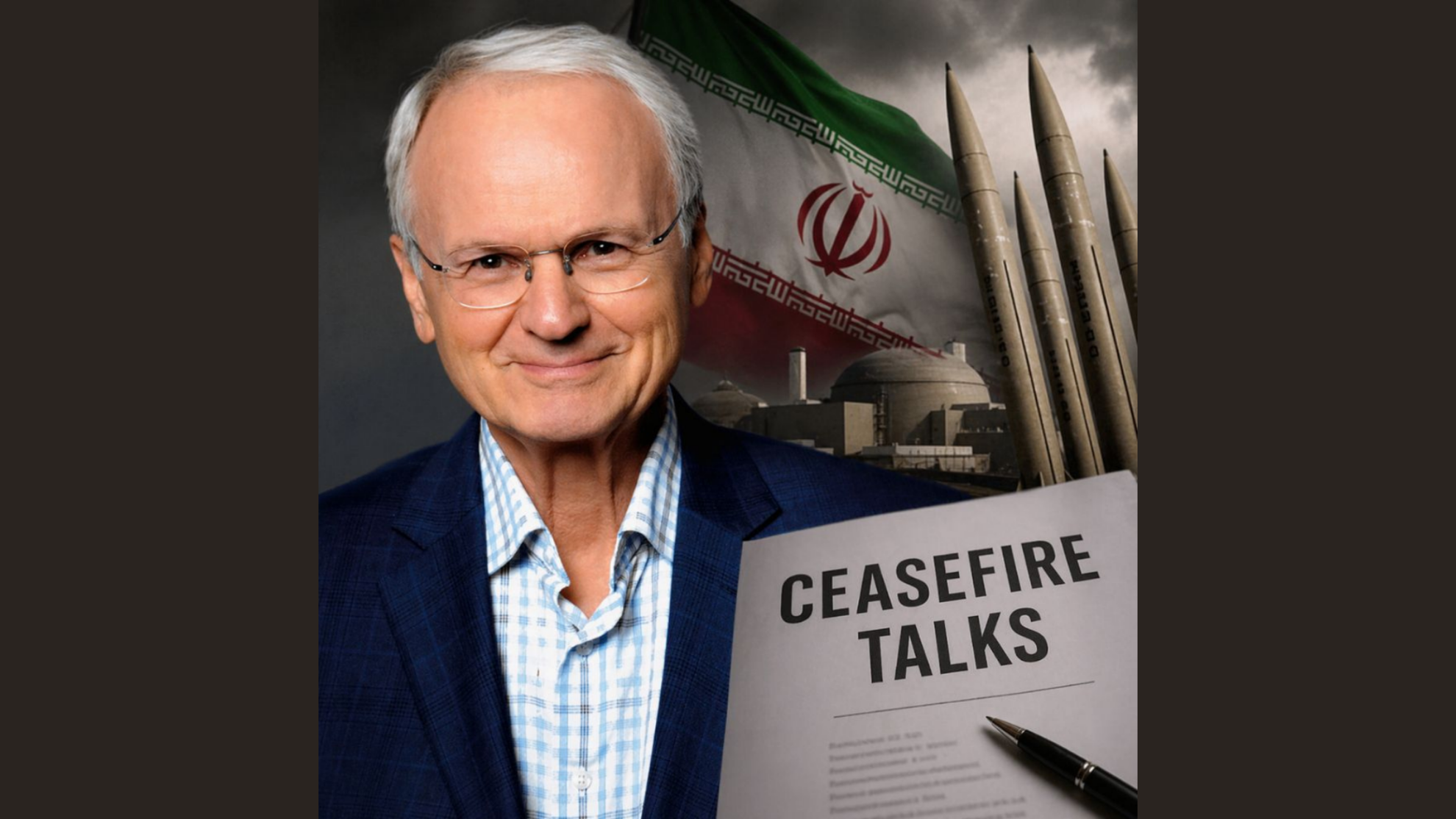
Morton Klein says the Iranian regime has a long record of using negotiations to stall while preserving nuclear, missile and terror ambitions.
By TheJ.CA Staff
(April 21, 2026 / TheJ.CA) The Zionist Organization of America (ZOA) has expressed concern over President Donald Trump’s announcement extending an open-ended ceasefire with Iran, warning that the Islamic Republic has historically used prolonged negotiations to delay pressure while preserving its strategic capabilities.
In a statement released Tuesday, ZOA National President Morton A. Klein said the organization appreciates Trump’s broader actions against Iran but believes any ceasefire arrangement should contain clear deadlines and measurable conditions.
The statement came after Trump said the ceasefire would remain in place “until such time as their leaders and representatives can come up with a unified proposal” and until such a proposal is submitted.
According to ZOA, that language risks giving Tehran broad room to prolong talks without making substantive concessions.
ZOA Warns of Historical Pattern
Klein said Iran has repeatedly used negotiations as a delaying tactic.
“The statement appears to give the Iranian terror regime the ability to extend the ceasefire indefinitely,” he said.
“Interminable delay is the standard Islamic Iranian regime negotiating tactic.”
ZOA argued that previous diplomatic rounds with Tehran, including more recent contacts, failed to produce commitments ending Iran’s nuclear ambitions, ballistic missile development or support for proxy groups across the region.
The organization said renewed delay could allow Iran to regroup politically and economically while avoiding further pressure.
Praise for Trump’s Broader Policy
Despite its warning, ZOA strongly praised Trump’s wider posture toward Iran.
Klein said the president and the U.S. military had acted forcefully to weaken the regime and increase pressure.
The statement cited U.S. Central Command reports claiming that naval enforcement actions had redirected vessels attempting to enter or exit Iranian ports.
ZOA also referenced the reported interception and search of the Iranian-flagged vessel M/V Touska during enforcement operations.
The organization said such measures demonstrate that sustained pressure, rather than open-ended diplomacy, has had the greatest impact on Tehran.
Call for Clear Timelines
ZOA said a previous two-week ceasefire period should have been sufficient for Iran to produce a formal proposal.
“We simply urge the president to be careful to not fall for the Islamic Iranian regime’s latest phony delaying tactic,” Klein said.
The group did not oppose diplomacy outright, but argued that any process should be structured around deadlines, verification and consequences for non-compliance.
For pro-Israel audiences, the issue is especially significant because Iran continues to fund and arm anti-Israel proxies including Hezbollah, Hamas and other regional actors hostile to the Jewish state.
Morton Klein’s Standing in Jewish Advocacy
Klein has led the Zionist Organization of America since 1993 and is one of the longest-serving senior figures in organized American Jewish advocacy.
Founded in 1897, ZOA is the oldest pro-Israel organization in the United States and has long advocated for strong U.S.-Israel ties, confronting antisemitism and opposing concessions viewed as harmful to Israeli security.
Klein is the child of Holocaust survivors and was born in a displaced persons camp in Günzburg, Germany, according to biographical information provided by the organization.
Supporters view him as one of the most consistent voices warning against policies that could embolden anti-Israel regimes.
Security Concerns
The statement also noted that the FBI reportedly warned Klein in November 2024 of a credible Iranian threat against his life.
That detail reflects the broader climate of concern surrounding Iranian intelligence operations and threats against dissidents, Jewish leaders and critics abroad.
Western governments have repeatedly accused Tehran of targeting opponents overseas through surveillance, intimidation or plots.
Broader Strategic Debate
The ZOA intervention highlights an ongoing divide among policymakers over how to manage Iran.
Some favor diplomacy and phased incentives to reduce tensions. Others argue that Tehran uses negotiations tactically and only responds to sustained economic, political and military pressure.
For Israel and many of its supporters, the central concern remains preventing Iran from obtaining nuclear weapons capability while curbing the regional reach of its proxy network.
Looking Ahead
Neither the White House nor Iranian officials immediately responded to ZOA’s statement.
What happens next may depend on whether Iran submits a credible proposal and whether Washington chooses to impose firm deadlines.
For ZOA, the message was clear: maintain pressure, insist on results and do not mistake delay for diplomacy.
This article was originally published in TheJ.CA and can be viewed here.