By Braden Hamelin
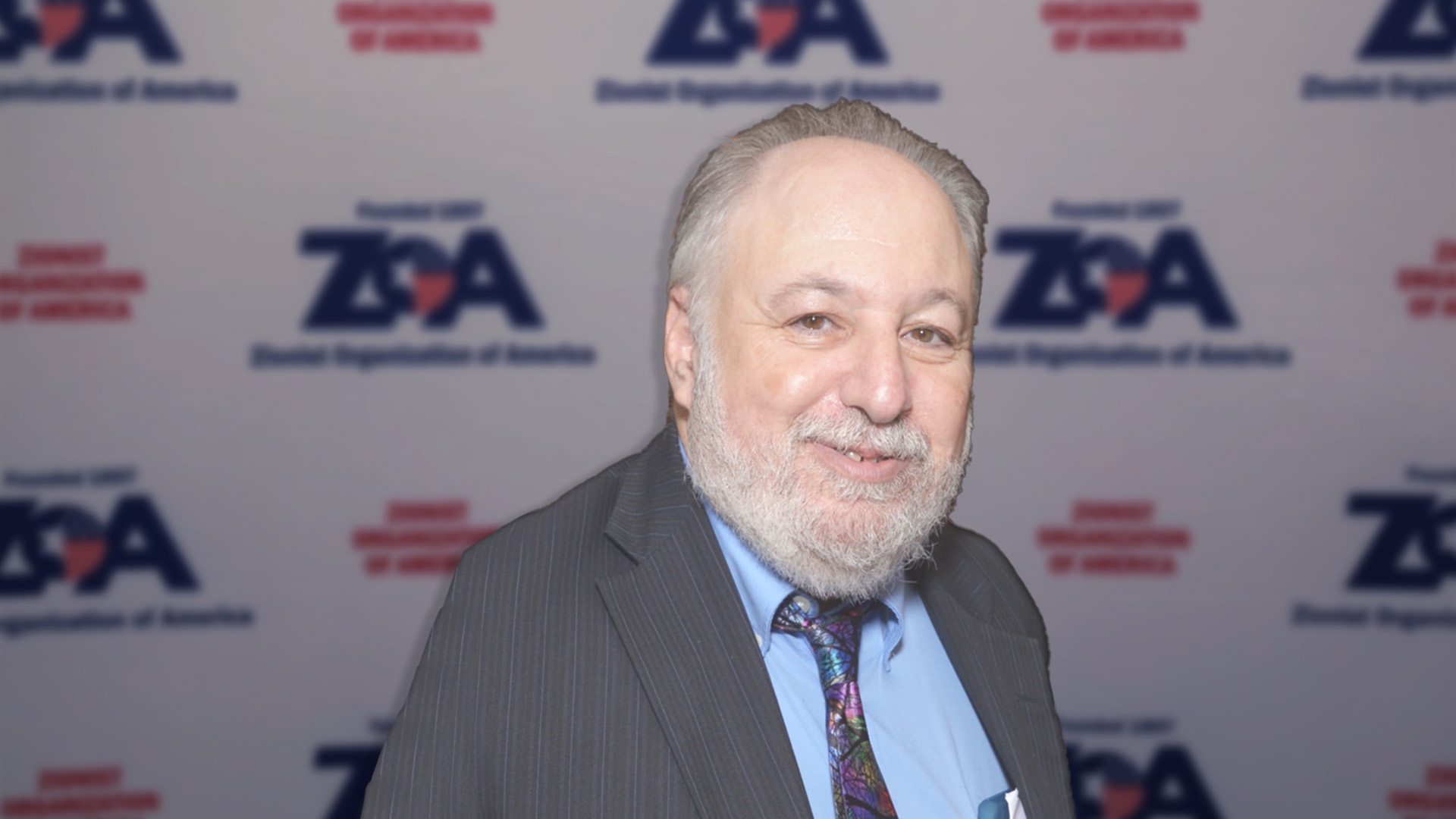
(January 12, 2026 / Jewish Exponent) Steve Feldman’s career has been dedicated to the Jewish community, spending two decades working at Philadelphia Jewish Exponent before joining the Zionist Organization of America as the executive director of the Philadelphia chapter, where he’s advocated for the local Jewish community since 2002.
Feldman said he initially wanted to be a sportswriter, studying journalism at Temple University, and he got an internship with Philadelphia Jewish Exponent while in school.
That changed during an assignment he got while at the paper, when he went to do an interview with a local sculptor who was a Holocaust survivor. During the interview, the survivor showed Feldman her tattoos from the camp.
“That moment, whatever career plans I had were dropped, and I decided I was going to use whatever skills God gave me to make sure that this never happens again on my watch,” Feldman said.
After 20 years at Philadelphia Jewish Exponent, Feldman found an opportunity with the ZOA, and he said it gave him the chance to serve the Jewish community while joining an organization he thought highly of and felt was doing good work.
Feldman said that, since he joined ZOA Philadelphia, the organization has changed the focus of its work.
“In the beginning, when I came here, it was almost a sense of maintenance. We were looking to keep the status quo, and that has changed through the years, as our enemies have gotten more aggressive, as demographics have changed, as things have devolved within the Jewish community,” Feldman said.
The executive director explained that the ZOA has been keeping a close eye on and calling out anti-Jewish activity in the city for many years. He said the organization was warning about the issues for a long time, but its statements were minimized.
“I think that the Jewish community, or the pro-Israel community, the Zionist community, thought that we crossed some sort of a finish line, and our work was kind of done, and we would never run into the open overt Jew hatred that we’re experiencing,” Feldman said.
Dealing with the challenges facing the Jewish community today is where Feldman makes his mark. He said that he wears “a number of hats,” including member relations, education and explaining Zionism and Israel.
“It’s a lot of education. There’s writing; there’s speaking. We do presentations; we do activism; we do a weekly newsletter. And there’s a highlight-of-advocacy item. Each week, we try to promote pro-activism, as opposed to just reacting and responding,” Feldman said.
The job has also changed since Oct. 7, with so much international attention on Israel and confusion mixed with misinformation about the conflict in its entirety. The rise of antisemitism and anti-Zionist sentiment has also raised the stakes of Feldman’s advocacy.
“I’ve spent countless hours, I mean, hours and hours and hours, talking to people who’ve called up, and thank God they’ve called us. Thank God I’ve been able to talk to them, almost as part-social worker, trying to explain to them that the Jewish people have faced horrible attacks and situations and persecutions and prejudice for millennia,” Feldman said. “I’ve explained to them to channel the anguish into advocacy and action. I spent a lot of time talking to people and trying to come up with some novel approaches to the crisis and helping to focus people and refocus people as to what matters.”
Looking back on his career, Feldman called his work “a labor of love” and “a sense of calling.”
He added that his experience and training as a journalist have served him well at the ZOA because of his belief in nonpartisanship and his view of being an educator and advocate.
“I know those skills were transferable. I viewed myself as an educator when I was a reporter, and I view myself primarily as an educator here,” Feldman said. “Advocacy is a big part of my job here, and even before, when you work for a newspaper that’s called ‘Exponent’, advocacy is inherent in that name. I really took that seriously, and I brought that sense with me to this position to be an advocate for the Jewish community.”
“I have a sense of fulfillment that I’m trying to help our community and have helped the community. It’s hard to measure,” he added. “I just hope I’m having a positive impact.”
This article was originally published in the Jewish Exponent and can be viewed here.